Sand Gradients for Stunning Design Projects
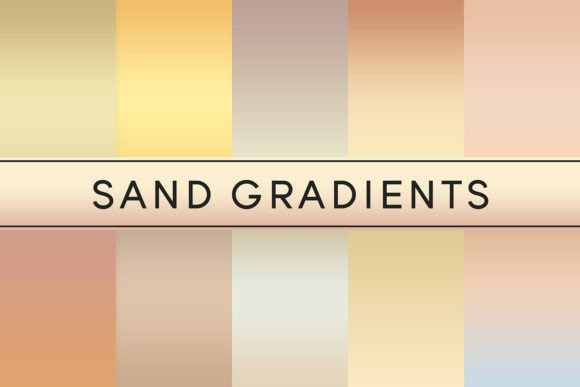
Whether you're working on a digital poster, designing a website, or crafting a social media banner, the right visual elements can make all the difference. Sand Gradients are a versatile and modern design tool that can elevate your creative projects with a unique texture and aesthetic appeal. These gradients are specifically crafted to add depth, dimension, and a natural feel to your designs, making them perfect for a wide range of applications.
What Are Sand Gradients?
Sand Gradients are digital textures that mimic the appearance of sand, offering a subtle grainy effect that can be layered over various backgrounds. They come in a variety of styles, from fine grains to more coarse textures, allowing you to choose the look that best fits your project. These gradients are designed in GRD format, which is compatible with Adobe Photoshop CC and higher, making them accessible to both beginners and professionals alike.
The premium quality of these gradients ensures that they maintain clarity and detail even when scaled up or used in high-resolution formats. This makes them ideal for print and digital use, whether you're creating business cards, branding materials, or website backgrounds.
Why Use Sand Gradients?
Incorporating Sand Gradients into your design workflow offers several advantages. First and foremost, they add a tactile and organic feel to otherwise flat designs. This can help create a more engaging user experience, especially for websites or marketing materials that aim to evoke warmth or natural themes.
Another benefit is their versatility. Unlike traditional solid colors or simple gradients, Sand Gradients can be used creatively in multiple ways. For instance, they can serve as a subtle background texture behind text overlays, enhancing readability without overpowering the message. They can also be used to create interesting effects in Canva backgrounds, social media banners, and even photography album covers.
Real-World Applications
Sand Gradients are not limited to just one type of project. Here are some practical examples of where they can be applied:
- Business Cards: Adding a sand gradient texture can give your business cards a unique and professional look that stands out from the crowd.
- Branding Materials: Use them as part of your brand identity to create a cohesive and memorable visual style across all marketing collateral.
- Website Backgrounds: A textured sand gradient can add depth to your website’s layout, making it more visually appealing and less monotonous.
- Social Media Posts: Enhance your Instagram or Facebook posts with a touch of texture that complements your content and boosts engagement.
- Digital Scrapbooking: Bring a sense of realism to your digital scrapbook pages by using sand gradients as background elements.
Choosing the Right Sand Gradient
When selecting a Sand Gradient, consider the context and purpose of your project. For example, if you're designing a wedding invitation, a soft and delicate sand texture might be more appropriate than a rougher, coarser one. Similarly, for a product packaging design, you may want a gradient that complements the color scheme and overall theme of the product.
It's also important to evaluate the compatibility of the gradient with your design software. Since Sand Gradients are in GRD format, ensure that your version of Adobe Photoshop supports this file type. Additionally, check for any licensing restrictions that may affect how you can use the gradient in commercial projects.
Don’t forget to experiment with layer blending modes and opacity settings to achieve the desired effect. A subtle application of a sand gradient can enhance a design without overwhelming it, while a more pronounced use can create striking visual contrasts.
Tips for Using Sand Gradients Effectively
To get the most out of Sand Gradients, follow these practical tips:
- Layer Smartly: Use layers to apply the gradient selectively, ensuring that it doesn't interfere with other design elements.
- Combine with Other Textures: Blend sand gradients with other textures like wood or stone to create more complex and interesting visuals.
- Use as a Base: Apply the gradient as a base layer beneath other design components to add depth without distracting from the main content.
- Test Across Devices: Ensure that the gradient looks good on different screen sizes and resolutions, especially if it will be used online.
By following these guidelines, you can effectively integrate Sand Gradients into your design process and take your creative projects to the next level. Whether you're a professional designer or a hobbyist, these textures offer a simple yet powerful way to enhance your work and stand out in a competitive market.