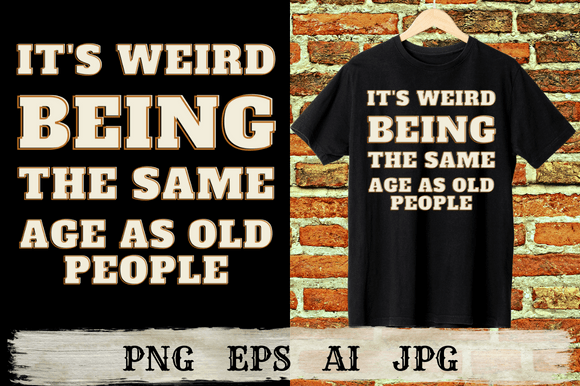
It's Weird Being the Same Age as Old People
There’s something oddly disorienting about finding yourself in the same age bracket as someone you consider "old." Whether it’s a grandparent, a neighbor, or even a coworker, the experience can feel surreal. It’s not just about numbers—it’s about perspective, identity, and how we navigate relationships across generations. This phenomenon, often called “It’s Weird Being the Same Age as Old People,” touches on deeper social dynamics that affect everyone from beginners to professionals.
Understanding the Concept
The phrase “It’s Weird Being the Same Age as Old People” highlights the awkwardness or confusion that arises when someone realizes they are in the same life stage as people they typically associate with being older. This could be due to generational gaps, societal expectations, or personal experiences. For instance, a 30-year-old might feel out of place when they discover they’re the same age as their parent’s best friend, who seems decades ahead in terms of life experience.
This concept is more than just a quirk—it reflects how we perceive aging, maturity, and our place in the world. It also brings up questions about identity, role modeling, and intergenerational relationships.
Why Different Audiences Care
The relevance of this topic varies depending on the individual’s age, background, and life goals. Let’s explore how different audiences might find this idea meaningful:
Beginners and Young Adults
For those new to adulthood, realizing they’re the same age as someone they see as “old” can be confusing. It may challenge their understanding of time, maturity, and independence. A college student, for example, might feel uneasy when they learn their professor is the same age as their parents, blurring the lines between authority and peer.
Young adults might also use this realization as motivation to grow, learn, and make decisions that reflect their own values rather than relying on others’ expectations.
Professionals and Entrepreneurs
In the workplace, age parity with senior colleagues can be both empowering and challenging. A mid-career professional might feel pressure to prove themselves when working alongside peers who have been in the industry longer. At the same time, this situation can foster mentorship and collaboration, especially if both parties view each other as equals in terms of experience and capability.
Entrepreneurs, in particular, may find value in connecting with older peers who share similar ages but have built successful businesses. These relationships can provide insight into long-term planning, risk management, and leadership styles.
Creatives and Educators
Creative professionals, such as designers, writers, or artists, might find inspiration in bridging generational divides. Collaborating with someone of the same age who has lived through different eras can lead to fresh perspectives and innovative ideas. Similarly, educators may find themselves in the same age group as students, which can change the dynamic of the classroom and encourage more open communication.
For educators, recognizing shared age brackets with students can help build trust and create a more inclusive learning environment. It allows for discussions that go beyond traditional teacher-student roles and into more relatable, human conversations.
Consumers and Hobbyists
Consumers often interact with products, services, and brands designed for specific age groups. When someone discovers they’re the same age as the target demographic of a product they didn’t expect to relate to, it can be an eye-opening experience. This is particularly true for hobbyists who engage in niche communities where age doesn’t always determine skill level or interest.
For instance, a 40-year-old joining a knitting group composed mostly of retirees might initially feel out of place. However, over time, they may realize that age is less important than passion and dedication. This kind of experience can lead to stronger community bonds and a broader appreciation for shared hobbies.
Practical Applications and Considerations
Whether you're exploring this topic for personal growth, creative projects, or branding, it’s important to consider your goals and priorities. Here are some practical ways to approach “It’s Weird Being the Same Age as Old People” based on different needs:
- For Designers and Branding Professionals: Use this theme to create content that resonates with multi-generational audiences. Think about fonts, colors, and imagery that bridge generational gaps and speak to shared values.
- For Educators and Coaches: Incorporate discussions about age perception into lessons on self-awareness, empathy, and communication. This can help students better understand themselves and others.
- For Business Owners: Leverage this concept in marketing campaigns that highlight inclusivity, diversity, and the idea that age is just a number. It can be a powerful message in building brand loyalty.
- For Individuals: Reflect on your own feelings about age and how they influence your relationships. This can be a valuable exercise in personal development and emotional intelligence.
Final Thoughts
“It’s Weird Being the Same Age as Old People” is more than just an observation—it’s a reflection of how we perceive ourselves and others. It challenges us to rethink assumptions about age, maturity, and connection. Whether you're a beginner navigating new experiences or a professional seeking to build bridges across generations, this concept offers a unique lens through which to view the world.
By embracing the idea that age doesn’t define who we are or what we can achieve, we open the door to richer relationships, greater understanding, and more meaningful interactions. So next time you find yourself in the same age bracket as someone you’d never expect, take a moment to appreciate the unexpected connections you might be making.