Do Not Be Stubborn: A Guide to Making Better Choices in Design and Branding
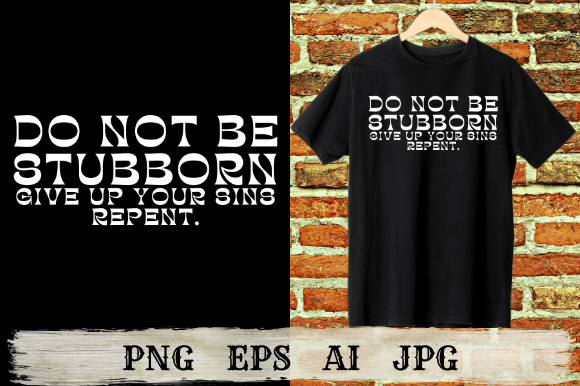
When it comes to design, branding, or even personal growth, the phrase "Do Not Be Stubborn" carries a powerful message. It reminds us that flexibility is key to achieving great results. Whether you're creating a logo, designing a t-shirt, or planning a social media campaign, being open to change can lead to better outcomes. In this article, we’ll explore what "Do Not Be Stubborn" means in the context of creative work and how it applies to fonts used for POD, t-shirts, logos, and more.
Understanding the Meaning Behind “Do Not Be Stubborn”
The phrase "Do Not Be Stubborn" encourages adaptability and openness to new ideas. In the world of design and branding, this means being willing to adjust your approach based on feedback, trends, and practical needs. Many creators fall into the trap of sticking too rigidly to their original vision, which can limit the effectiveness of their final product.
Fonts are a perfect example of where flexibility matters. Choosing the right font for a t-shirt, business card, or website isn’t just about aesthetics—it’s also about readability, versatility, and brand identity. Being stubborn about a particular font style might lead to poor results, especially if it doesn’t suit the intended use or audience.
Common Mistakes When Choosing Fonts for Creative Projects
Choosing the wrong font can have a big impact on the overall look and feel of your project. Here are some common mistakes people make:
- Ignoring the purpose: Using a decorative font for a business card or website header can make the text hard to read. Always consider the context before selecting a font.
- Overlooking compatibility: Some fonts may not render well on certain devices or platforms. This can cause issues with how your design looks online or in print.
- Not checking licensing: Many free fonts come with restrictions on commercial use. If you’re using a font for POD, t-shirts, or other products, it's essential to ensure you have the right license.
- Using too many different fonts: Mixing too many fonts in one design can create visual clutter. Stick to a cohesive font family to maintain a clean and professional look.
Making these mistakes can affect the usability, professionalism, and overall success of your project. For instance, a poorly chosen font on a greeting card could make your message less impactful, while an incompatible font on a website might confuse visitors or deter them from engaging further.
How to Avoid Common Font Mistakes
Here are some practical tips to help you choose the right font for your project:
- Define your purpose: Before choosing a font, ask yourself what the goal of your design is. Is it to convey professionalism, creativity, or something else? Your answer will guide your font selection.
- Test fonts across platforms: Preview your font on different devices and screen sizes to ensure it looks good everywhere. This is especially important for digital projects like websites or social media posts.
- Review licensing terms: Always check the license agreement for any font you plan to use commercially. If you're unsure, opt for fonts that are clearly labeled as free for commercial use.
- Stick to a consistent style: Limit your design to two or three fonts at most. Choose a primary font for body text and a secondary one for headings or accents.
- Seek feedback: Get input from others, especially those who understand typography or design. They can spot issues you might have missed.
By following these steps, you can avoid costly mistakes and ensure your designs look professional and effective.
Real-World Examples of Good Font Choices
Let’s take a look at some real-world examples of how choosing the right font can make a difference:
Example 1: Farmhouse Signs
A popular choice for farmhouse signs is a rustic, hand-drawn font. These fonts add character and warmth to the design, making them ideal for country-style decor. However, if you were to use the same font for a business card, it might appear unprofessional. Instead, pairing a rustic font with a clean sans-serif font can create a balanced and appealing look.
Example 2: Social Media Posts
For social media content, readability is key. A bold, attention-grabbing font might be suitable for a headline, but the body text should be easy to read. Using a sans-serif font like Helvetica or Arial ensures your message is clear and accessible to all users.
Example 3: Website Headers
If you're designing a website, a serif font like Georgia or Times New Roman can give your site a classic and trustworthy appearance. However, for a modern, minimalist look, a sans-serif font like Roboto or Open Sans might be a better fit.
What to Check Before Finalizing Your Font Choice
Before settling on a font, there are several factors to consider:
- Readability: Can the font be easily read at different sizes and on various screens?
- Legibility: Are the letters distinct and easy to recognize, especially in smaller sizes?
- Style consistency: Does the font match the overall aesthetic of your project?
- Licensing: Are you allowed to use the font for the intended purpose?
- Compatibility: Will the font display correctly across all platforms and devices?
Taking the time to review these factors can save you from potential headaches down the line and ensure your design communicates your message effectively.
Remember, the phrase "Do Not Be Stubborn" isn’t about giving up—it’s about being open to better solutions. By staying flexible and informed, you can make smarter choices when it comes to fonts and design, leading to more successful and satisfying creative projects.